All Categories
Featured
Table of Contents
Provider exports now account for 27% of worldwide trade and grew by about 9% in 2025, far outmatching goods. Services likewise control worldwide intermediate inputs, underpinning manufacturing and main sectors.
SouthSouth merchandise exports increased from about $0.5 trillion in 1995 to $6.8 trillion in 2025. Today, 57% of developing-country exports go to other establishing markets, led by Asia's local worth chains. Africa and Latin America are likewise enhancing SouthSouth links. Deeper interregional trade can help offset weaker demand in innovative economies and boost strength.
By late 2025, promises by 113 nations could cut emissions by about 12% by 2035. Carbon pricing, clean-energy markets and environmental requirements are redefining competitiveness. Developing countries will require access to green finance, innovation and support to stay competitive. Important minerals prices have fallen sharply after 2022 as supply expanded faster than demand, relieving expenses for clean innovations however weakening financial investment in brand-new mining projects.
Revolutionising Corporate Management in the 2026 EconomyHandling resource security while sustaining financial investment will remain a key trade difficulty. Agricultural trade remains essential for food security, with food products accounting for almost 87% of commodity exports.
Technical policies now impact roughly 2 thirds of worldwide trade, raising compliance expenses, specifically for smaller exporters. Environmental, social and security-driven rules will broaden further in 2026. Versatile worldwide rules and targeted support will be key to ensure inclusive trade.
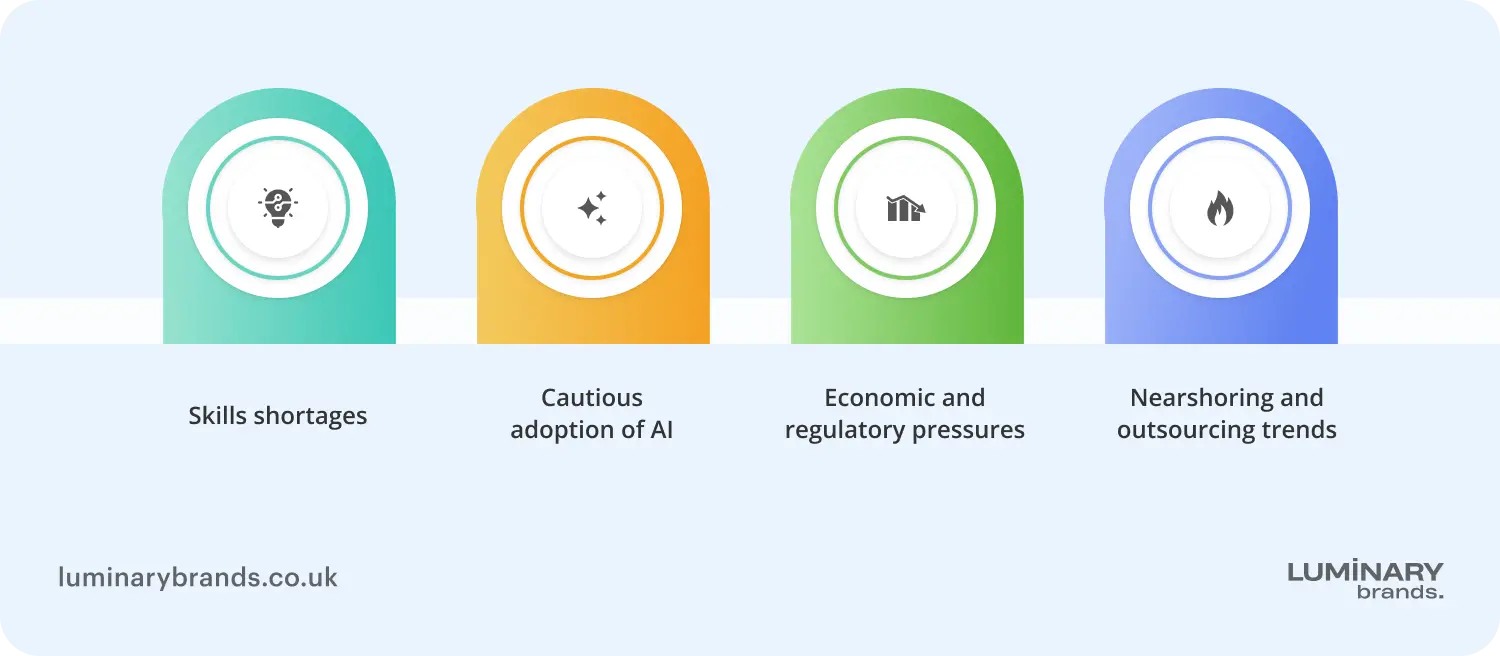
Professional Leadership Pillars for a 2026 Era
Do not miss what's happeningPeople on X are the very first to understand.
Global trade and financial development could decrease in 2026, according to a brand-new report from the United Nations Trade and Advancement firm, UNCTAD. The projection raises concern that the world may be going into a prolonged duration of slow growth, with specifically sharp consequences for poorer and developing economies like Nigeria.
Formerly, in April 2025, the firm had warned of a potential 2.3 percent growth for 2025 amid rising worldwide uncertainties. Read also: AI anticipated to improve global trade by 37% WTO Early in 2025, worldwide trade enjoyed a short-term increase, increasing by about 4 percent. This rebound was driven in part by business hurrying to import items ahead of brand-new tariff modifications, and by surging need for digital-economy and artificial-intelligence-relatedrelated products and services.
An essential finding of the 2025 report is that financial conditions, not simply conventional supply chains, now play a significant role in forming worldwide trade. Over 90 percent of global trade now depends upon bank funding, payment systems, currency markets, and worldwide capital circulations. That dependence indicates trade volumes are increasingly susceptible to variations in rates of interest, shifts in investor belief, and volatility in global financial markets, a marked modification from past years when trade largely followed genuine financial need.
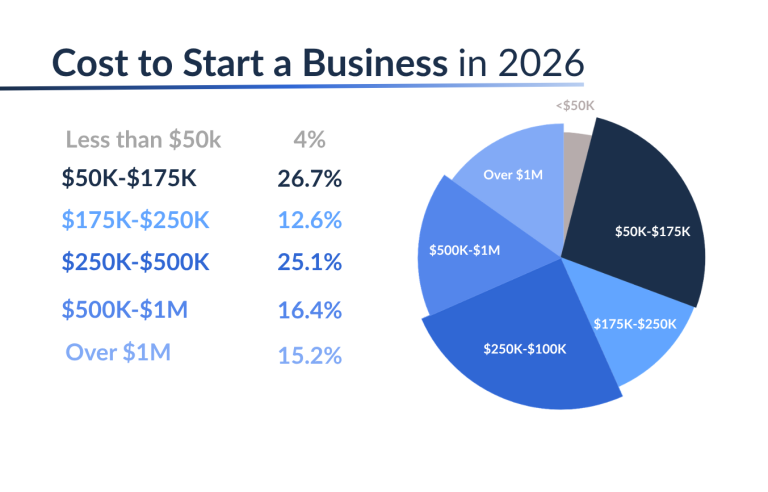
Top Enterprise Success Strategies for British Firms
Read also: Reimagining Africa's function in worldwide trade: Method, resilience, and partnership The slower development and increasing monetary volatility posture specific risks for developing and low-income nations. Although the "global South" now represents more than 40 percent of world output, nearly half of global merchandise trade, and over half of international investment inflows, these economies hold only about 25 percent of global financial market value.
UNCTAD's report calls for structural reforms to better line up trade, finance, and sustainable advancement. Some of its essential recommendations consist of updating trade rules and contracts to show contemporary realities, consisting of digital trade, services, and climate-sensitive industries.
In addition, countries like Nigeria need to enhance domestic and local capital markets to broaden access to budget-friendly, long-lasting financing, particularly for little companies and export-dependent companies. Check out valso: World Trade Centre reveals efforts to boost Nigeria's global trade competitiveness For global trade, the trend recommends extended durations of sluggish trade development, slower development of international supply chains, and increased vulnerability to financial-market volatility, even if demand recovers.
It states policy makers should reinforce domestic financial systems, broaden local and SouthSouth trade, boost local capital markets, and decrease dependence on unpredictable external funding "Trade is not simply a chain of providers. It's also a chain of line of credit, payment systems, currency markets and capital circulations, and these monetary channels progressively identify the direction of global trade," the report stated.

Latest Posts
Expert Reporting of British Economic Trends in 2026
ESG Financing Versus Debt in Mid-Market
UK Mid-Market Growth versus Global Benchmarks